Projektstart von 2 neuen ERASMUS+ Projekt im Dezember 2025 – Ein gemeinsames Ziel (ENGLISH BELOW)

Beide Projekte, GAMESONBOARD sowie InFUELencer – folgen den europäischen Prioritäten: digitale Transformation, Nachhaltigkeit und Inklusion. Sie zeigen, wie innovative Ansätze die berufliche Bildung in Europa fit für die Zukunft machen: praxisnah, digital und nachhaltig.

Die TALENTBRÜCKE bringt dabei ihre langjährige Erfahrung ein, in der qualitativen Verbesserung, Systematisierung und Entwicklung innovativer Lösungen für die berufliche Orientierung in Deutschland und im Ausland. Bereits über 20 internationale Projekte mit mehr als 50 Partnerorganisationen in ganz Europa wurden erfolgreich umgesetzt.

GAMESONBOARD – ERASMUS+ Projekt: Onboarding neu gedacht

Das Erasmus+ Projekt GAMESONBOARD unter der Projektleitung von Interaktiv GmbH aus Kerpen modernisiert das Onboarding internationaler Auszubildender. Mit einer KI-gestützten, gamifizierten Plattform werden Onboarding-Prozesse strukturierter, inklusiver und interaktiver.

Durch den Einsatz von adaptiver KI, Gamification und interaktivem Storytelling entsteht eine Lernumgebung, die interkulturelle Kompetenzen stärkt, die berufliche Handlungsfähigkeit fördert und die Eingewöhnung am Arbeitsplatz erleichtert. Geplant sind Pilotphasen in VET-Zentren und Unternehmen in ganz Europa, deren Rückmeldungen direkt in die Weiterentwicklung einfließen.

Offene Lernmaterialien, praxisnahe Tools für Unternehmen und Bildungseinrichtungen sowie politische Handlungsempfehlungen sorgen dafür, dass die Plattform langfristig Wirkung in der beruflichen Bildung entfaltet.

InFUELencer – ERASMUS+ Projekt: Nachhaltigkeit im Tankstellen-Sektor

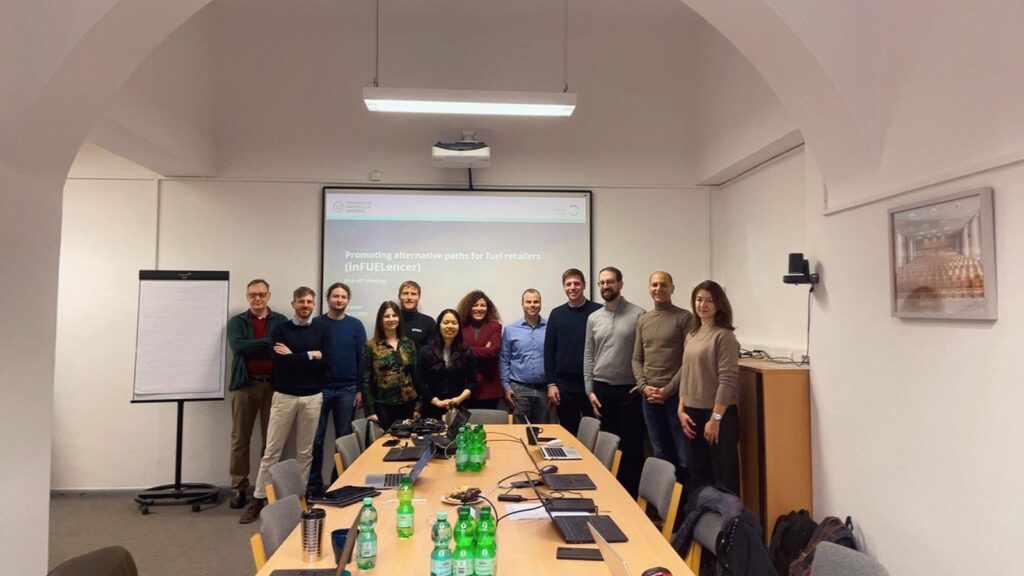
Das Erasmus+ Projekt InFUELencer unter der Projektleitung der Technischen Universität Dresden (Professur für Nachhaltigkeitsmanagement und Betriebliche Umweltökonomie) widmet sich der grünen Transformation des Kraftstoffeinzelhandels. Gemeinsam mit europäischen Partnern wird ein praxisnahes Curriculum für VET-Trainer:innen entwickelt, ergänzt durch digitale Lernmodule und eine E-Learning-Plattform. In Workshops, „Train-the-Trainer“-Formaten und nationalen Pilotschulungen erhalten Kraftstoffhändler:innen in Europa das Wissen und die Werkzeuge, um nachhaltige Geschäftsmodelle erfolgreich umzusetzen.
Internationale Projekte – Ansprechpartner

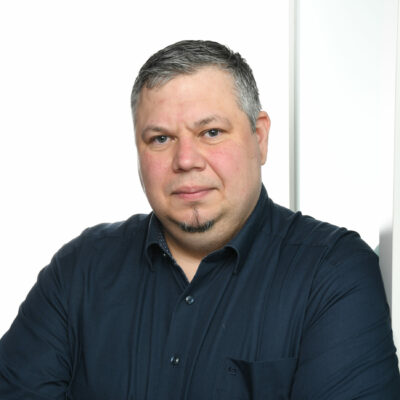
Steffen Leist

Steffen Leist

Projektleiter Internationale Projekte

Launch of two new ERASMUS+ projects in December 2025 – A common goal

The GAMESONBOARD and InFUELencer projects are in line with European priorities: digital transformation, sustainability and inclusion. They demonstrate how innovative approaches can make vocational training in Europe fit for the future: practical, digital and sustainable.

TALENTBRÜCKE contributes its many years of experience in the qualitative improvement, systematisation and development of innovative solutions for vocational orientation in Germany and abroad. More than 20 international projects with over 50 partner organisations across Europe have already been successfully implemented.

GAMESONBOARD – ERASMUS+ project: Onboarding reimagined

The Erasmus+ project GAMESONBOARD, led by Interaktiv GmbH from Kerpen, is modernising the onboarding of international trainees. An AI-supported, gamified platform makes onboarding processes more structured, inclusive and interactive.

The use of adaptive AI, gamification and interactive storytelling creates a learning environment that strengthens intercultural skills, promotes professional competence and facilitates acclimatisation in the workplace. Pilot phases are planned in VET centres and companies throughout Europe, with feedback from these phases being incorporated directly into further development.

Open learning materials, practical tools for companies and educational institutions, and policy recommendations ensure that the platform has a long-term impact on vocational education and training.

InFUELencer – ERASMUS+ Project: Sustainability in the petrol station sector

The Erasmus+ project InFUELencer, led by the Technical University of Dresden (Chair of Sustainability Management and Business Environmental Economics), is dedicated to the green transformation of fuel retail. Together with European partners, a practical curriculum for VET trainers is being developed, supplemented by digital learning modules and an e-learning platform. In workshops, train-the-trainer formats and national pilot training courses, fuel retailers in Europe are given the knowledge and tools they need to successfully implement sustainable business models.

International projects – Contact person

Steffen Leist

Steffen Leist

Projektleiter Internationale Projekte

Ein gelungener Start: Rückblick auf die ersten Monate des Einstiegsinstruments (ENGLISH BELOW)

Seit dem 1. September begleiten wir im Rahmen von Kein Abschluss ohne Anschluss (KAoA) Schüler:innen mit dem Einstiegsinstrument auf ihrem Weg der beruflichen Orientierung.
Bis zum 18. Dezember werden es rund 5.200 Schülerinnen und Schüler gewesen sein, die das neue TALENTBRÜCKE-Konzept kennengelernt, erlebt und aktiv mitgestaltet haben. Zeit für einen kurzen Rückblick – und für eine durchweg positive Bilanz.

Mit der neuen konzeptionellen Ausrichtung des Einstiegsinstruments haben wir bewusst auf eine stärkere Handlungsorientierung, klare Strukturen und eine intensive Auseinandersetzung mit individuellen Stärken gesetzt. Die Rückmeldungen aus den bisherigen Durchführungen zeigen deutlich: Dieser Weg hat sich gelohnt. Die Schüler:innen konnten sich aktiv einbringen, ihre Fähigkeiten erproben und sich selbst in neuen Rollen erleben. Viele von ihnen haben das Einstiegsinstrument nicht nur als informativ, sondern auch als motivierend, abwechslungsreich und praxisnah wahrgenommen – und vor allem als etwas, das Spaß macht.

4 Personen arbeiten gemeinsam an einem Tisch an einer Gruppenaufgabe.
KI-generiert
Drei Personen geben einer vierten Person positives Feedback.
KI-generiert

Besonders erfreulich ist das positive Feedback aus unterschiedlichen Perspektiven. Verschiedene Akteure des KAoA-Prozesses – darunter Vertreter:innen der Kommunalen Koordination sowie Schulen und Kooperationspartner – haben bei unseren Durchführungen hospitiert und die praktische Umsetzung des Konzepts ausdrücklich gelobt. Hervorgehoben wurden dabei insbesondere die klare Einführung in das Thema Berufsorientierung, die wertschätzende Atmosphäre sowie die Möglichkeit für die Schüler:innen, sich aktiv und reflektiert mit ihren Stärken auseinanderzusetzen.

Auch unsere Lizenznehmer berichten übereinstimmend von sehr guten Erfahrungen mit dem neuen Verfahren. Sie nehmen eine hohe Beteiligung der Schüler:innen wahr und bestätigen, dass sich das Konzept gut in bestehende organisatorische Abläufe integrieren lässt. Diese Rückmeldungen bestärken uns darin, dass das Einstiegsinstrument weit mehr ist als ein formaler Startpunkt in KAoA – vielmehr setzt es einen wirksamen Impuls für den weiteren Berufsorientierungsprozess.

Die ersten Monate haben gezeigt: Ein gelungener Einstieg schafft Orientierung, stärkt Selbstvertrauen und legt eine tragfähige Grundlage für alle weiteren Schritte in KAoA. Wir freuen uns über das Vertrauen, das uns entgegengebracht wird, und blicken motiviert auf die kommenden Durchführungen – mit dem Ziel, auch weiterhin möglichst vielen Schüler:innen einen positiven und nachhaltigen Start in ihre berufliche Zukunft zu ermöglichen.

Einstiegsinstrument – Ihr Ansprechpartner

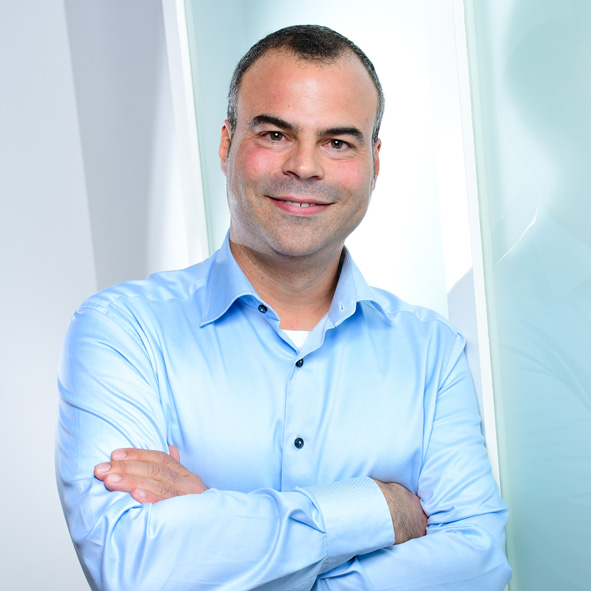
Thomas Beck

Thomas Beck

Geschäftsführer

A successful start: Review of the first few months of the entry-level tool

Since 1 September, we have been supporting school students with their career orientation using the entry-level tool as part of the Kein Abschluss ohne Anschluss (KAoA) initiative.
By 18 December, around 5,200 school students will have been given the opportunity to get to know, experience and actively shape the new TALENTBRÜCKE concept. It is time for a brief review – and for a thoroughly positive assessment.

With the new conceptual orientation of the entry-level tool, we have deliberately focused on a stronger practical orientation, clear structures and an intensive examination of individual strengths. The feedback from the implementations to date clearly shows that this approach has paid off. The students were able to actively participate, test their skills and experience themselves in new roles. Many of them found the introductory tool not only informative, but also motivating, varied and practical – and above all, enjoyable.

Four people are working together on a group task at a table.
KI-generiert
Three people give positive feedback to a fourth person.
KI-generiert

The positive feedback from different perspectives is especially encouraging. Various stakeholders in the KAoA process – including representatives of municipal coordination bodies, schools and cooperation partners – visited our sessions and expressly praised the practical implementation of the concept. Particular emphasis was placed on the clear introduction to the topic of career orientation, the appreciative atmosphere and the opportunity for students to actively and reflectively engage with their strengths.

Our licensees also unanimously report very good experiences with the new procedure. They have noticed a high level of participation among students and confirm that the concept can be easily integrated into existing organisational processes. This feedback reinforces our belief that the entry-level tool is much more than a formal starting point in KAoA – rather, it provides an effective impetus for the further career orientation process.

The first few months have shown that a successful start provides orientation, boosts self-confidence and lays a solid foundation for all further steps in KAoA. We are delighted with the trust placed in us and are looking forward to the upcoming implementations with motivation – with the aim of continuing to enable as many students as possible to make a positive and sustainable start to their professional future.

Einstiegsinstrument – Ihr Ansprechpartner

Thomas Beck

Thomas Beck

Geschäftsführer

Wie stellen wir ein Konsortium für unsere internationalen Projekte zusammen? (ENGLISH BELOW)

Ein erfolgreiches internationales Projekt steht und fällt mit einem gut zusammengestellten Konsortium. Doch wie finden wir die richtigen Partner? Welche Plattformen nutzen wir? Und worauf legen wir besonderen Wert? Hier ein Einblick in unsere Strategie.

Austausch auf Veranstaltungen und Konferenzen zu ERASMUS+ Partnerschaften

Wir setzen auf bewährte Plattformen wie EPALE (Electronic Platform for Adult Learning in Europe) und TCAs (Transnational Cooperation Activities organisiert bei den Nationalen Agenturen für ERASMUS+) um potenzielle Partner kennenzulernen und erste Kontakte zu knüpfen. Diese Plattformen bieten nicht nur wertvolle Informationen zu relevanten Themen, sondern auch die Möglichkeit, sich mit interessierten Organisationen auszutauschen und neue Partnerschaften zu entwickeln.

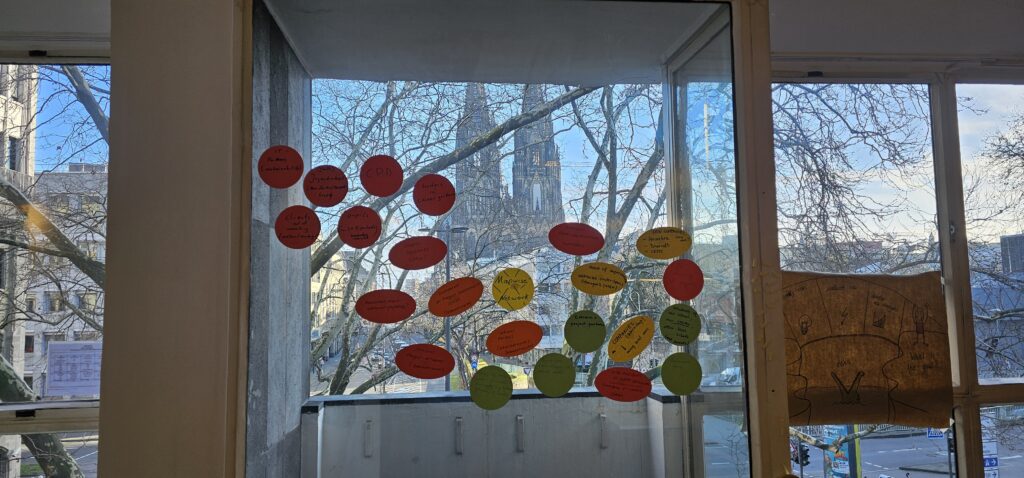
Verschiedene Moderationskarten kleben an einem Fenster. Im Hintergrund ist der Kölner Dom zu sehen.
Mapping des Projektnetzwerks während dem Kick Off Workshop von MAPWISE in Köln

Erprobte ERAMUS+ Partnerschaften weiterführen

Wir arbeiten gerne mit Partnern zusammen, mit denen wir bereits gute Erfahrungen gemacht haben. Wenn die Expertise und die Zusammenarbeit in früheren Projekten überzeugt haben, ist es naheliegend, diese bewährten Partnerschaften weiter zu pflegen und auszubauen. Dies gewährleistet nicht nur eine reibungslose Kommunikation, sondern auch ein gemeinsames Verständnis für die Projektziele.

Steffen Leist steht vor einer Banner des EU TCAs evidence based approach.
Teilnahme am jährlichen TCA zu Evidence-based Approach in E+ in Warschau.

Netzwerke rund um ERASMUS+ Partnerschaften gezielt nutzen

Bevor wir eine Organisation in unser Konsortium aufnehmen, setzen wir auf einen intensiven bilateralen Austausch. Erst wenn wir das Gefühl haben, dass wir mit dem potenziellen Partner gemeinsam ein starkes Projekt auf die Beine stellen können, nehmen wir ihn in unser Konsortium auf. Dabei sind nicht nur fachliche Expertise und Erfahrung entscheidend, sondern auch die Bereitschaft zur offenen Zusammenarbeit und das beide Parteien sehen, dass sie mit einem innovativen Projekt ihre Profile schärfen und die Zielgruppen nachhaltige voranbringen können.

Ziel: Chancen und Herausforderungen in ERASMUS+ Partnerschaften gemeinsam meistern

Die Zusammenstellung eines Konsortiums ist nicht nur eine strategische Entscheidung, sondern auch ein wichtiger Schritt für den langfristigen Erfolg eines Projekts und der interorganisationalen Zusammenarbeit. Durch einen strukturierten Auswahlprozess und den gezielten Aufbau von Netzwerken stellen wir sicher, dass unsere Projekte auf stabilen ERASMUS+ Partnerschaften basieren und einen nachhaltigen Impact haben. Wir setzen immer darauf, dass diese Partnerschaften schon vor Projektbeginn gestärkt werden und sich im Projekt entfalten können, um darüber hinaus nachhaltig zu bestehen. Mit dieser Vorgehensweise haben wir bereits viele erfolgreiche Konsortien geformt und freuen uns darauf, auch in Zukunft starke Partnerschaften zu entwickeln! Mehr zu unseren aktuellen und früheren internationalen Projekten auf https://projects.talentbruecke.de/.

Internationale Projekte – Ansprechpartner

Steffen Leist

Steffen Leist

Projektleiter Internationale Projekte

How do we put together a consortium for our international projects?

A well-chosen consortium is the key to a successful international project. But how do we find the right partners? Which platforms do we use? And what is particularly important to us? Here is an insight into our strategy.

Exchange at events and conferences on ERASMUS+ partnerships

We rely on proven platforms such as EPALE (Electronic Platform for Adult Learning in Europe) and TCAs (Transnational Cooperation Activities organised by National Agencies) to get to know potential partners and establish initial contacts. These platforms not only provide valuable information on relevant topics, but also the opportunity to exchange ideas with interested organisations and develop new partnerships.

Various moderation cards are stuck to a window. Cologne Cathedral can be seen in the background.
Mapping of the project network during the MAPWISE kick-off workshop in Cologne

Continue proven ERAMUS+ partnerships

We enjoy working with partners with whom we have already had positive experiences. If the expertise and cooperation in previous projects have been convincing, it makes sense to continue to cultivate and expand these proven partnerships. This not only ensures smooth communication, but also a common understanding of the project goals.

Steffen Leist stands in front of a banner advertising the EU TCA's evidence-based approach.
Participation in the annual TCA on Evidence-based Approach in E+ in Warsaw.

Targeted use of networks around ERASMUS+ partnerships

Another important element in our choice of partners is the Conference on Project Development (CPD). This network offers us the opportunity to meet potential partners in person, identify common interests and set the course for successful cooperation at an early stage. At the CPD, we exchange ideas with long-standing partners about funding, quality management, project ideas and future planning in the project business.

Bilateral exchange as a basis for decision-making for ERASMUS+ partnerships

Before we accept an organisation into our consortium, we rely on intensive bilateral exchange. We only include a potential partner in our consortium if we feel that we can work together to create a strong project. In this process, not only professional expertise and experience are crucial, but also the willingness to work together openly and for both parties to see that they can raise their profiles and advance their target groups in the long term with an innovative project.

Objective: Mastering opportunities and challenges in ERASMUS+ partnerships together

Putting together a consortium is not only a strategic decision, but also an important step for the long-term success of a project and inter-organisational cooperation. Through a structured selection process and the targeted development of networks, we ensure that our projects are based on stable ERASMUS+ partnerships and have a sustainable impact. We always focus on strengthening these partnerships before the project begins, allowing them to flourish during the project and continue to exist sustainably beyond it. We have already formed many successful consortia using this approach and look forward to developing strong partnerships in the future as well! Find out more about our current and previous international projects at https://projects.talentbruecke.de/.

International projects – Contact person

Steffen Leist

Steffen Leist

Projektleiter Internationale Projekte

Fachkräftebarometer 2025: Engpass bleibt – Lösungen brauchen internationalen Rückenwind (ENGLISH BELOW)

Der Blick ins Fachkräftebarometer zeigt: Trotz leicht sinkender Zahl offener Stellen bleibt der Personalmangel in Kitas real. 2024 arbeiten rund 935.000 Menschen in der Kindertagesbetreuung, das pädagogische und leitende Kita-Personal wuchs seit 2022 um ca. 54.000. Gleichzeitig konstatiert das Fachkräftebarometer weiterhin einen bundesweiten Engpass – die offenen Stellen für Erzieher:innen gingen zwar von etwa 13.000 auf 12.000 zurück, den Stellen standen aber nur rund 10.900 arbeitslos gemeldete Erzieher:innen gegenüber.

Warum der Mangel laut Fachkräftebarometer bleibt

Mehr Plätze, längere Öffnungszeiten, Ganztag – der Bedarf wächst vielerorts schneller als die inländische Ausbildung nachliefern kann. Zugleich ist das Berufsfeld stark reguliert: Wer ohne einschlägigen Abschluss einsteigen will, stößt auf Grenzen. Der Anteil ausländischer Beschäftigter liegt in der Frühen Bildung bislang nur bei rund 5 % – deutlich niedriger als in Pflegeberufen. Gründe sind u. a. komplexe Anerkennungsverfahren und notwendige Nachqualifizierungen.

Ausländische Fachkräfte als Teil der Lösung

Die Daten zeigen aber auch: Hier schlummert Potenzial. 2023 wurden knapp 82.000 Anerkennungsverfahren ausländischer Berufsqualifikationen in Deutschland bearbeitet – mehr als doppelt so viele wie 2016. Für den Referenzberuf Erzieher:in registrierte die Statistik 2.778 Verfahren (Platz 6 aller Referenzberufe; +24 % ggü. 2022; +65 % in fünf Jahren).

Entscheidend ist der Outcome: 25 % der entschiedenen Erzieher:innen-Verfahren endeten 2023 mit voller Gleichwertigkeit, in 49 % wurden Ausgleichsmaßnahmen festgelegt. Viele Qualifikationen stammen aus EU-Ländern (u. a. Spanien, Polen), zudem stiegen Verfahren aus Ukraine und Türkei merklich an.

Was jetzt hilft – laut Fachkräftebarometer

Damit aus Anerkennung echte Entlastung wird, braucht es verschiedene Hebel. Zwei Hebel seien hier genannt:

Verfahren beschleunigen & begleiten – transparente Beratung, Sprachförderung, Anerkennungsbegleitung.

Team-Design öffnen: Quer- und Direkteinstiege mit klaren Rollenprofilen (z. B. Gruppenübergreifende Fachkräfte) erleichtern das Ankommen im System.

Fazit: Der Engpass im Kita-Bereich bleibt – aber mit einem konsequenten Ausbau von Anerkennung, Qualifizierung und guter Begleitung können ausländische Fachkräfte schnell zu einem tragenden Teil der Lösung werden. Das Fachkräftebarometer liefert dafür die Datenbasis und den Handlungsauftrag.

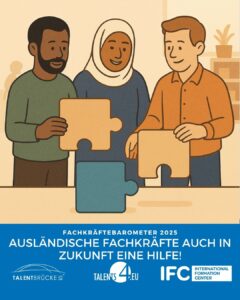
Comicartige Illustration: Drei pädagogische Fachkräfte unterschiedlicher Herkunft setzen gemeinsam große Puzzleteile zusammen; im Hintergrund ein heller Kita-Raum. Beitrag zum Fachkräftebarometer 2025. Erstellt mithilfe von KI.

Ausländische Fachkräfte – Ihre Ansprechpartner

Sie haben Fragen zur Anerkennung ausländischer Fachkräfte? Sprechen Sie uns an!

Quellen für diesen Artikel

Fachkräftebarometer Frühe Bildung 2025 und Anerkennung ausländischer Berufsabschlüsse abrufbar unter https://www.fachkraeftebarometer.de/.

Dieser Artikel wurde unter Zuhilfenahme von KI geschrieben und vom Autor angepasst. Das Bild wurde mit KI erzeugt.

Skilled Worker Barometer 2025 (Fachkräftebarometer): Shortage persists – solutions need international support

A look at the Skilled Worker Barometer (Fachkräftebarometer) shows that despite a slight decline in the number of vacancies, the shortage of staff in daycare centres remains a reality. In 2024, around 935,000 people will be working in childcare, with the number of educational and managerial staff in daycare centres growing by approximately 54,000 since 2022.

At the same time, the skilled labour barometer continues to report a nationwide shortage – although the number of vacancies for educators fell from around 13,000 to 12,000, there were only around 10,900 educators registered as unemployed.

Why the shortage remains, according to the Skilled Worker Barometer

More places, longer opening hours, all-day care – in many places, demand is growing faster than domestic training can keep up. At the same time, the profession is highly regulated: anyone who wants to enter the field without a relevant qualification will encounter barriers. The proportion of foreign employees in early childhood education is currently only around 5% – significantly lower than in nursing professions.

Reasons for this include complex recognition procedures and the need for additional qualifications.

Foreign skilled workers as part of the solution

However, the data also shows that there is untapped potential here. In 2023, almost 82,000 recognition procedures for foreign professional qualifications were processed in Germany – more than twice as many as in 2016. For the reference occupation of educator, the statistics recorded 2,778 procedures (6th place among all reference occupations; +24% compared to 2022; +65% in five years).

The outcome is crucial: 25% of the procedures decided for educators ended in full equivalence in 2023, while 49% resulted in compensatory measures being specified. Many qualifications originate from EU countries (including Spain and Poland), and there was also a noticeable increase in procedures from Ukraine and Turkey.

What helps now – according to the skilled labour barometer

Various levers are needed to ensure that recognition translates into real relief. Two levers are mentioned here:

Accelerate and support procedures – transparent advice, language support, recognition support.

Open up team design: cross-functional and direct entry with clear role profiles (e.g. cross-group specialists) make it easier to settle into the system.

Conclusion: The bottleneck in the childcare sector remains – but with consistent expansion of recognition, qualification and good support, foreign skilled workers can quickly become a key part of the solution. The Skilled Worker Barometer provides the data basis and the mandate for action.

Comic-style illustration: Three educational professionals from different backgrounds are working together to assemble large puzzle pieces; in the background is a bright nursery room. Contribution to the 2025 Skills Barometer. Created with the help of AI.

Foreign skilled workers – your contact persons

Do you have questions about the recognition of foreign skilled workers? Please contact us!

Sources for this article

This article was written with the help of AI and adapted by the author. The image was generated using AI.

„Fachkräftebarometer Frühe Bildung 2025“ and „Anerkennung ausländischer Berufsabschlüsse“ available at https://www.fachkraeftebarometer.de/.

Datenschutz-Übersicht

Diese Website verwendet Cookies, damit wir dir die bestmögliche Benutzererfahrung bieten können. Cookie-Informationen werden in deinem Browser gespeichert und führen Funktionen aus, wie das Wiedererkennen von dir, wenn du auf unsere Website zurückkehrst, und hilft unserem Team zu verstehen, welche Abschnitte der Website für dich am interessantesten und nützlichsten sind.

Alle Informationen zum Datenschutz